You’re tackling a stubborn patch of grime, the electric pressure washer humming along, and then it happens. The comforting, consistent spray falters, replaced by a jarring surge and then a dip in pressure, a frustrating pulsation that makes your cleaning efforts erratic and inefficient. It’s a common problem, this inconsistent performance, and thankfully, for the most part, it’s one you can troubleshoot and resolve yourself. This guide will walk you through the likely culprits behind your electric pressure washer’s surging and pulsating pressure, helping you get back to a powerful, steady clean.
At the core of your electric pressure washer’s operation lies the symbiotic relationship between its electric motor and the pump. The motor provides the rotational force, and the pump, driven by this force, forces water through the system at high pressure. When you experience surging and pulsating, it’s a sign that this delicate balance is disrupted. Imagine a heart struggling to pump blood evenly – that’s essentially what’s happening within your pressure washer. The surging is like a rapid, forceful beat, followed by a sluggish, weaker one.
The Motor’s Role in Maintaining Consistent Pressure
Your electric motor is the powerhouse. Its job is to spin at a consistent speed, providing the pump with the steady energy it needs. If the motor itself is struggling, perhaps due to overheating, voltage issues, or internal wear, it can’t deliver consistent power to the pump. This inconsistency will directly translate to the water pressure. Think of it like an engine sputtering; it can’t provide smooth acceleration.
What to Look For with the Motor:
- Overheating: Electric motors generate heat, and this is normal. However, if your motor is excessively hot to the touch, it could be overheating. This can be caused by prolonged use, blocked vents, or an internal issue. Overheating can lead to reduced efficiency and torque, causing fluctuating power delivery.
- Voltage Supply: The power outlet you’re using is critical. If it’s not providing a stable voltage, or if the circuit is overloaded, the motor won’t receive consistent power. This is especially true if you’re using an undersized extension cord.
- Brush Wear: Many electric pressure washers use carbon brushes to transfer electricity to the motor’s rotor. Over time, these brushes wear down. If they’re significantly worn or damaged, the electrical connection can become intermittent, leading to surging.

- Delivers 2500 max PSI and 1.76 max GPM (at lowest pressure), and 2000 rated PSI and 1.2 rated GPM of water flow; Pro-style steel extendable 17.5” wand with quick-connect nozzles (0°, 15°, 25°, turbo and soap applicator)
- Super compact and lightweight at 16.5” tall and 19 pounds for convenient storage and portability; Four quick-lock wheels with 360° steering design and low center of gravity engineered for anti-tipping design
- Easy-coil nylon braided 25' hose; 20 ounce onboard soap tank to add detergents/chemicals for heavy duty cleaning power on decks, driveways, garage floors, stairs, fencing, patio furniture and vehicles
- Pump automatically stops when trigger is not engaged to conserve energy and promote pump and motor life
- Backed by a 3-Year limited service, labor and parts coverage with nationwide customer service and support network

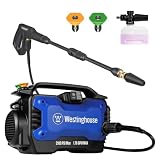
- BIG POWER. SMALL DESIGN: Delivers an impressive 2100 max PSI and 1.76 max GPM at lowest pressure, with 1800 rated PSI and 1.2 rated GPM so you're able to handle a range of tough jobs
- GRAB-AND-GO CLEANING: The ultra compact 10 pound electric pressure washer is easy to use, carry and store for everyday outdoor cleanups, wherever and whenever you find them
- ORGANIZED FOR EASY SETUP AND STORAGE: Built-in holders keep the spray gun, lance and standard spray nozzles together between jobs so it's always ready to grab and go
- SUPER SOAPER: The adjustable foam cannon lets you apply thick, clinging foam to loosen grease, grime and stains from cars, windows, decks and more
- GO GET THE GRIME: Enjoy extended reach with a 35 foot GFCI power cord and 20 foot high-pressure hose so you can walk and wash all around vehicles and outdoor spaces

- Delivers 3000 max PSI and 1.76 max GPM (at lowest pressure), and 2600 rated PSI and 1.1 rated GPM of water flow. Perfect for decks, sidewalks, fences, garage floors, exterior walls, cars and patio furniture; Comes with a .45 gallon soap tank
- 25′ abrasion resistant super-flex hose with lightweight high pressure metal spray gun and wand with 5 quick connect nozzles (0°, 15°, 25°, soap and turbo); Compatible with pressure washer accessories like surface cleaners, undercarriage cleaners and foam cannons with M22 fittings
- Heavy duty AC 120V electric motor and long-lasting, maintenance-free axial 3 piston auto-stop pump provides up to 1.76 gallons of water (and soap) a minute
- Rugged steel frame with high profile 10” never-flat wheels and 35’ GFCI cord provide easy transportation and maneuverability; Includes tools and quick start guide to get cleaning in minutes
- All Westinghouse pressure washers are functionally tested in the factory and are backed by 3-year limited manufacturer service, labor and parts coverage

- TRUBRUSHLESS MOTOR : Powerful 14 Amp TruBrushless motor generates 3000 PSI and 2.0 GPM for maximum cleaning power.Cleaning Units 3300 C.U. Maximum Inlet Water Temperature 104°F (40°C).
- All water pressure (PSI) and flow rate (GPM) claims for this product were tested and verified by an independent lab, ensuring you’ll take home the power you were promised
- JETTFLOW TECHNOLOGY : Delivers up to 50% more flow, reaching higher areas and quick power rinsing
- ACCESSORIES : Equipped with rugged metal gun and hassle-free 25-FT Uberflex kink-resistant hose; 15°, 25° and 40° tips, soap and turbo nozzles included

- Delivers 3400 max PSI and 2 max GPM (at lowest pressure), and 3000 rated PSI and 1.1 rated GPM of water flow; Perfect for decks, sidewalks, siding, fences, railings, garage floors, exterior walls, cars and patio furniture; Comes with a half gallon onboard soap tank
- 25′ abrasion resistant super-flex hose with lightweight high pressure metal spray gun and wand with 5 quick connect nozzles (0°, 15°, 25°, soap and turbo) - compatible with pressure washer accessories such as surface cleaners, undercarriage cleaners and foam cannons with M22 fittings
- Heavy duty AC 120V true brushless electric engine - long-lasting, maintenance-free axial 3 piston auto-stop pump provides up to 2 gallons of water (and soap) a minute
- Rugged steel frame with high profile 10” never flat wheels and 35’ GFCI cord provide easy transportation and maneuverability – includes tools and quick start guide to get cleaning in minutes
- All Westinghouse pressure washers are functionally tested in the factory and are backed by 3-year limited manufacturer service, labor and parts coverage

- Delivers 2300 max PSI and 1.76 max GPM (at lowest pressure), and 1900 rated PSI and 1.24 rated GPM of water flow; Pro-style steel extendable 17.5” wand with quick-connect nozzles (0°, 15°, 25°, turbo and soap applicator)
- Super compact and lightweight at 16.5” tall and 19 pounds for convenient storage and portability; Four quick-lock wheels with 360° steering design and low center of gravity engineered for anti-tipping design
- Easy-coil nylon braided 25' hose; 20 ounce onboard soap tank to add detergents/chemicals for heavy duty cleaning power on decks, driveways, garage floors, stairs, fencing, patio furniture and vehicles
- Pump automatically stops when trigger is not engaged to conserve energy and promote pump and motor life
- Backed by a 3-year limited service, labor and parts coverage with nationwide customer service and support network

- POWERFUL CLEANING PERFORMANCE: Powered by a 1600W motor, this electric pressure washer delivers up to 2465 PSI max pressure and 1.76 max flow rated to break through dirt, grime, and buildup with less cleaning time and effort
- VERSATILE CLEANING NOZZLES: Includes 4 quick-connect spray tips: 0°, 15°, 25°, and 40°, plus a 0.4L detergent bottle for added cleaning power. Ideal for washing vehicles, fences, gates, driveways, and concrete patios with eco-friendly soap that helps reduce filter clogging and supports longer machine life
- EXTENDED REACH DESIGN: The 20 ft high-pressure hose and 35 ft power cord give you plenty of reach around your cleaning area without constantly repositioning the unit. Two smooth-rolling wheels make it easy to move the washer while maintaining steady balance
- AUTOMATIC SHUTOFF SAFETY: The automatic On/Off function stops the motor when the spray trigger is released, helping reduce unnecessary operation. An integrated trigger safety lock also helps prevent unintended spraying during storage or when the washer is not in use
- CONVENIENT ACCESSORY STORAGE: Keep essential accessories close at hand with the built-in power cord hook and convenient accessory holder for storing the hose, spray nozzles, and cord. The compact design fits easily into a garage, utility area, or pantry when cleaning is finished

- Delivers 2100 max PSI and 1.76 max GPM (at lowest pressure), and 1800 rated PSI and 1.2 rated GPM of water flow.
- Super compact and lightweight at 18 pounds for convenient storage and portability; Built-in handle for easy transportation to wherever your cleaning tasks are
- Easy-coil nylon braided 20’ hose; Detachable foam cannon to add detergents or chemicals for heavy duty cleaning power on decks, driveways, garage floors, stairs, fencing, patio furniture and vehicles
- Pump automatically stops when trigger is not engaged to conserve energy and promote pump and motor life
- Backed by 3-year limited service, labor and parts coverage with nationwide customer service and support network

- TRUBRUSHLESS MOTOR : Powerful 14 Amp TruBrushless motor generates 3000 PSI and 2.0 GPM for maximum cleaning power.Cleaning Units 3300 C.U. Maximum Inlet Water Temperature 104°F (40°C).Frequency : 60 hz
- PWMA CERTIFIED (Pressure Washer Manufacturers‘ Association) : All water pressure (PSI) and flow rate (GPM) claims for this product were tested and verified by an independent lab, ensuring you’ll take home the power you were promised
- BETTER THAN GAS PERFORMANCE : Heavy duty cast aluminum axial cam pump provides better than gas performance
- JETTFLOW TECHNOLOGY : Delivers up to 50% more flow, reaching higher areas and quick power rinsing
- RUGGED DESIGN + ACCESSORIES : Equipped with rugged metal gun and hassle-free 25-FT Uberflex kink-resistant hose; 15°, 25° and 40° tips, plus soap and turbo nozzles included

- POWERFUL 13-AMP MOTOR — Delivers strong, consistent cleaning power to cut through dirt, grime, mud, and mildew on driveways, patios, decks, fences, vehicles, and more
- 4 QUICK-CONNECT NOZZLE TIPS INCLUDED — 0°, 15°, 25°, and 40° nozzles tailor your spray from a pinpoint jet to a wide, gentle fan for any cleaning task; nozzles store onboard for easy access
- ONBOARD DETERGENT SYSTEM — Includes a 13.53 oz foam bottle so you can apply pressure-washer-specific detergent directly through the spray wand for a deeper clean
- EXTENDED REACH — 20-ft hose and 35-ft GFCI-protected power cord give you plenty of range with fewer interruptions
- TOTAL STOP SYSTEM (TSS) — Automatically shuts off the motor when the trigger is released, reducing wear and conserving energy for a longer-lasting pump
The Pump’s Vital Function and Its Sensitivity to Issues
The pump is the component that actually generates the high pressure. It’s a more complex piece of machinery, often involving pistons or plungers that reciprocate, forcing water out. Any disruption to the smooth operation of these internal components will manifest as pressure fluctuations. The pump is sensitive to many factors, from water intake issues to internal wear.
The Pump’s Inner Workings and Potential Problems:
- Valves: Pumps rely on a series of intake and outlet valves to control water flow. If these valves are dirty, clogged, or worn, they won’t seal properly, allowing water to leak back, leading to pressure drops.
- Seals and O-rings: Like any system involving moving parts and fluids, seals and O-rings are crucial for preventing leaks. Worn or damaged seals can allow water to escape, reducing the overall pressure and causing pulsations.
- Pistons/Plungers: The moving parts within the pump, whether they are pistons or plungers, can become worn over time. This wear can create an uneven stroke, leading to inconsistent water displacement and, consequently, surging pressure.
If you’re experiencing issues with your electric pressure washer surging and pulsating, it’s essential to address these problems to ensure optimal performance. One helpful resource that can guide you in maintaining your pressure washer while also protecting delicate surfaces is an article on soft washing techniques. You can read more about it here: Protecting Delicate Surfaces with Soft Washing. This article provides valuable insights into using lower pressure methods effectively, which can help prevent damage while you troubleshoot the surging issue.
The Unseen Obstacles: Blockages and Air in the System
Perhaps the most frequent culprits behind surging pressure are less about internal component failure and more about foreign elements disrupting the water’s smooth journey. Blockages, whether in your water source, the inlet hose, or even within the detergent system, can starve the pump, while air trapped in the system acts like a sudden impediment.
Water Supply Issues: The Foundation of Pressure
The pressure washer can’t create pressure if it’s not receiving a consistent and adequate supply of water. This might seem obvious, but it’s a common oversight. Your pressure washer has a specific GPM (gallons per minute) requirement, and if your water source can’t meet it, you’ll encounter problems.
Ensuring Adequate Water Flow:
- Tap Pressure and Flow Rate: The most fundamental check is your home’s tap pressure. Connect your pressure washer directly to a faucet and run water through it without turning on the pressure washer. Does the water flow strongly? If not, the issue might be with your home’s plumbing or water supply. You can also measure your tap’s flow rate by timing how long it takes to fill a known volume bucket. Ensure it meets the minimum requirements specified in your pressure washer’s manual.
- Hose Kinks and Blockages: A kinked or partially blocked garden hose is a severe bottleneck. Inspect your hose from the faucet to the pressure washer inlet for any twists, bends, or signs of internal damage that could restrict flow.
- Inlet Filter: Most electric pressure washers have a small inlet filter at the connection point of the garden hose. This filter prevents debris from entering the pump. If this filter is clogged with sediment, grass clippings, or other debris, it will significantly reduce water flow. Regularly cleaning or replacing this filter is crucial maintenance.
Air Entrapment: The Enemy of Smooth Operation
Air is incompressible, meaning it doesn’t readily get squeezed like water. When air gets into the water intake side of your pressure washer, it gets pumped along with the water. This intermittent introduction of air pockets into the high-pressure chamber causes the pump to sputter and the pressure to fluctuate wildly.
How to Purge Air from the System:
- Initial Priming: Before you connect the high-pressure hose and start the motor for the first time or after it’s been stored, you need to prime the pump. This involves allowing the pump to draw water through it with the high-pressure nozzle _off_ or on a low-pressure setting. Let the water run through for a minute or two until a steady stream of water exits the outlet without sputtering.
- Checking Connections: Ensure all hose connections are tight and free of leaks. Even a small air leak on the inlet side can suck air into the system.
- Submerging the Inlet Hose: If you’re pulling water from a tank or bucket, ensure the inlet hose end is fully submerged. If the end of the hose is exposed to air, it will readily suck in air.
- Tilting the Pressure Washer: In some cases, tilting the pressure washer slightly can help dislodge trapped air bubbles.
The Detergent Dilemma: Influence on Pressure

Many pressure washers have a built-in detergent tank or a siphon tube for drawing detergent. While this feature is convenient, it can also be a source of surging pressure if not used correctly or if there are issues with the detergent system itself.
Detergent Flow and Its Impact:
- Soap Dilution and Consistency: The concentration and type of detergent you use can affect its flow. If the detergent is too thick or not properly diluted, it could be harder for the pump to draw it in or could create blockages within the detergent pathway.
- Detergent Valve Issues: If your pressure washer has a detergent control valve, ensure it’s functioning correctly. A partially stuck valve or a blockage within the valve mechanism can disrupt the water flow and cause pulsations.
- Detergent Filter: Similar to the inlet filter, there might be a small filter within the detergent siphon tube. Check this for blockages.
Troubleshooting Detergent-Related Pressure Issues:
- Bypass the Detergent System: The simplest test is to disconnect the detergent siphon tube or ensure the detergent valve is completely closed. If the pressure becomes stable, you’ve identified the detergent system as the likely culprit.
- Clean the Detergent Lines: Flush the detergent lines with fresh water to clear any clogs. You can often do this by running plain water through the detergent system for a few minutes.
- Experiment with Detergent: Try a different brand or a properly diluted solution of your current detergent to see if this resolves the issue.
Nozzle Nightmares: The Crucial Role of the Spray Nozzle

The spray nozzle is the final frontier. It’s responsible for shaping the water stream and creating resistance, which is essential for generating high pressure. A damaged or incorrect nozzle can significantly disrupt the entire process.
Nozzle Size and Type: The Pressure Regulator
The size of the orifice within the nozzle dictates the flow rate and resistance.
- Incorrect Nozzle Size: Using a nozzle with an orifice that is too large for your pressure washer’s specifications will result in a very low pressure output, sometimes even pulsating if the pump struggles to maintain flow through the larger opening. Conversely, a nozzle that’s too small can cause the pump to over-pressurize, potentially leading to surges and internal strain, although this is more often characterized by a relief valve discharging.
- Clogged Nozzle: The small orifice of a spray nozzle is highly susceptible to clogging by small particles of debris. A partially clogged nozzle will restrict water flow, leading to a shaky and inconsistent spray.
Addressing Nozzle Problems:
- Check the Nozzle Orifice: Inspect the nozzle opening for any visible debris. You can often dislodge small obstructions by poking a thin wire or needle into the orifice.
- Ensure the Correct Nozzle is Attached: Refer to your pressure washer’s manual to confirm you’re using the correct type and size of nozzle for your machine. Many pressure washers come with a set of interchangeable nozzles, each color-coded for different spray patterns and pressure outputs.
- Clean or Replace the Nozzle: If you suspect a clog and can’t clear it, try cleaning the nozzle thoroughly with warm soapy water and a small brush. If the nozzle is damaged or persistently clogged, replacing it is often the easiest and most effective solution.
If you’re experiencing issues with your electric pressure washer surging and pulsating, it’s essential to identify the underlying causes to restore its performance. Common problems can include clogged filters, air leaks, or issues with the pump itself. For a comprehensive guide on troubleshooting and fixing these issues, you can refer to this helpful article on DIY solar panel installation, which also emphasizes the importance of maintaining your equipment for optimal efficiency. By following the steps outlined, you can ensure your pressure washer operates smoothly and effectively.
Internal Wear and Tear: When Components Age
| Issue | Possible Solutions |
|---|---|
| Low water supply | Check water inlet and hose for blockages, ensure proper water flow |
| Clogged nozzle or spray gun | Clean or replace the nozzle and spray gun |
| Air in the hose | Purge air from the hose by squeezing the trigger until a steady stream of water comes out |
| Pressure regulator issues | Inspect and clean the pressure regulator, adjust if necessary |
| Motor or pump problems | Check for any motor or pump malfunctions, consider professional repair or replacement |
While blockages and air are common and often easily fixed, sometimes surging and pulsating pressure is a symptom of more significant wear and tear on the internal components of the pump itself. This is often a sign that your pressure washer is getting older or has been subjected to heavy use.
The Inevitable Aging of Pump Components:
- Worn Seals and Gaskets: Over time, the rubber seals and gaskets within the pump can degrade, harden, or crack. This leads to internal leaks, where pressurized water escapes back into the intake side, disrupting the smooth delivery of pressure.
- Damaged Pistons or Plungers: The pistons or plungers that move inside the pump can become worn or scored. This creates an uneven stroke, meaning they don’t displace water as efficiently or consistently with each movement, leading to pulsations.
- Degraded Valve Seats: The valve seats, where the pump valves seal, can also become worn or pitted. This prevents the valves from creating a proper seal, again allowing for backflow and pressure loss.
Recognizing Signs of Internal Wear:
- Constant Leaking: If you notice continuous, significant water leaks from the pump housing itself, even when the pressure washer is off, it’s a strong indicator of worn seals.
- Unusual Noises: Grinding, rattling, or clunking noises coming from the pump while it’s operating can signal internal damage to pistons, connecting rods, or bearings.
- Persistent Pulsation Despite Other Fixes: If you’ve meticulously checked for and eliminated all other common causes of surging and pulsating pressure, and the problem persists, it’s highly probable that internal wear within the pump is the underlying issue.
What to Do About Internal Wear:
- Consult Your Manual: Your pressure washer’s manual will often provide information on common repair procedures and parts diagrams. You may be able to identify specific worn seals or valves.
- Repair Kits: Many manufacturers offer pump repair kits that include replacement seals, O-rings, and sometimes valves. If you’re comfortable with basic mechanical repairs and have the right tools, you might be able to replace these worn parts yourself. Remember to disconnect the power and water supply and follow safety guidelines carefully.
- Professional Repair or Replacement: If the wear is extensive, or if you’re not confident in your ability to perform the repairs, your best course of action might be to seek professional repair from an authorized service center. In some cases, especially with older or less expensive models, the cost of repair might approach the cost of a new unit, and replacement might be the more economical option.
By systematically working through these potential causes, from the simplest checks to the more complex internal components, you should be able to diagnose and resolve the surging and pulsating pressure issues with your electric pressure washer, restoring its powerful and consistent cleaning performance. Remember, regular maintenance, like cleaning filters and checking connections, can prevent many of these problems before they arise.
Leave a Reply